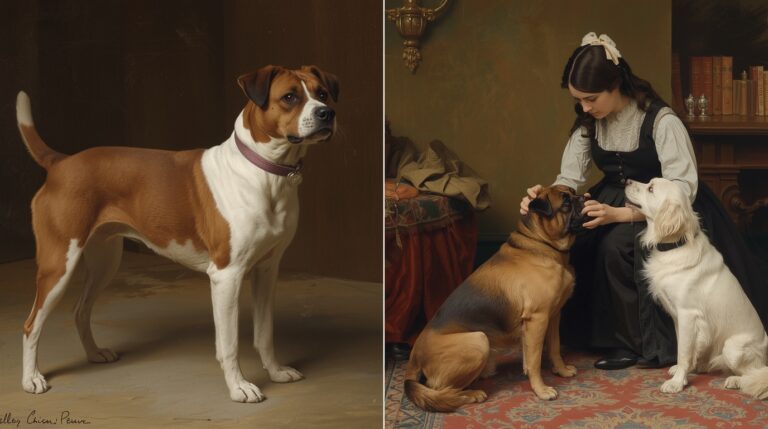
Historical dog breeds from royal portraits and modern ethical breeders with health-certified puppies

 Dog Breeding Ethics Through History

Early Human-Dog Relationships The earliest domesticated dogs, dating back over 15,000 years, were bred not for beauty but survival. Early humans selected dogs that could hunt, guard, or herd. Ethical questions weren’t considered — dogs that failed in their roles were excluded from gene pools. Selective Breeding in Ancient Civilizations In Ancient Egypt, dogs like…
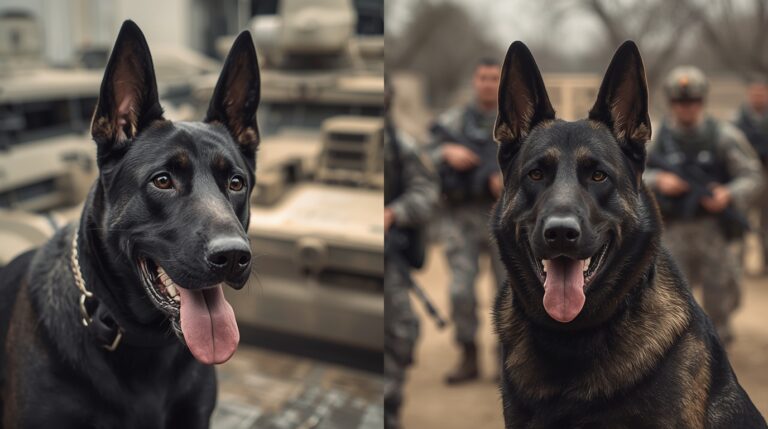
German Shepherds and Dobermans in military gear during WWII, contrasted with modern service dogs

The Impact of War on Breed Evolution

The Origins of War Dogs Dogs have walked beside soldiers since ancient times, serving as guardians, attackers, and messengers. Dogs in Medieval Battles Large breeds such as the Mastiff were companions of knights and nobles. They protected castles, escorted prisoners, and hunted for survival. Early Modern Conflict and Utility Dogs By the 1700s and 1800s,…

A dog sitting beside a plague cart in medieval Europe, symbolizing loyalty and folklore

Dogs and the Black Plague: Myths & Truths

Introduction: Dogs Amidst the Black Death The Black Plague, which devastated Europe in the mid-14th century, left behind more than death—it produced centuries of myths, fear, and superstitions, many of which involved dogs. Were they spreaders of disease, loyal companions, or omens of death? This article explores the truth and fiction surrounding dogs during one…

Ancient dog deities and guardians across Egyptian, Aztec, and Greek mythology

Symbolism of Dogs in Ancient Cultures

Introduction: The Universal Symbolism of Dogs Across virtually all ancient civilizations, dogs held unique symbolic roles that transcended their function as companions or hunters. As one of the first domesticated animals—dating back over 15,000 years—dogs became embedded in the spiritual, ritualistic, and mythological frameworks of societies from Egypt to Mesoamerica. They were seen not just…

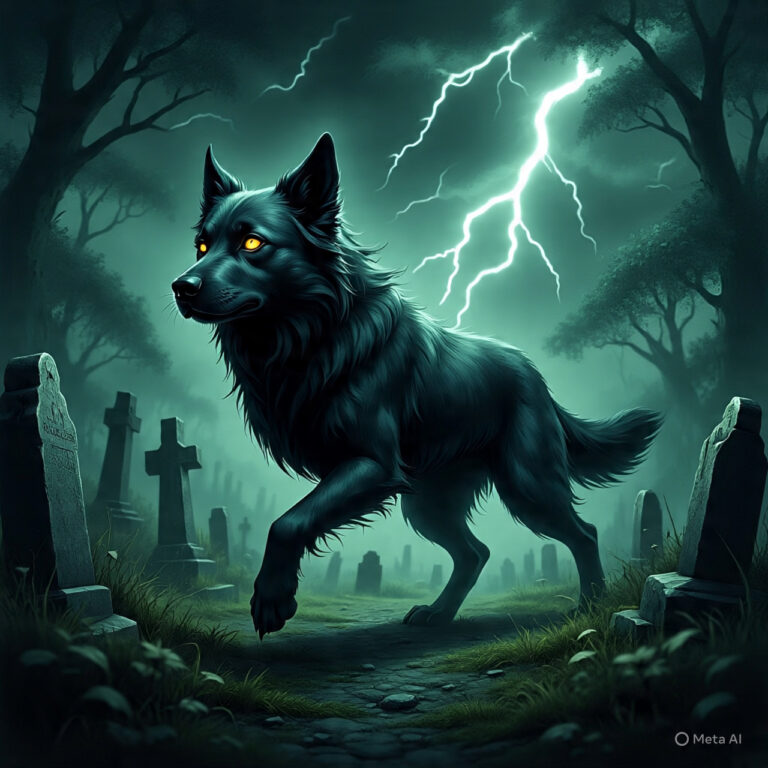
Illustration of Black Shuck, a giant black dog with glowing red eyes in a stormy English graveyard

Black Dogs and Folklore (Hellhounds, Grim)

Introduction Across Europe and beyond, legends speak of dark shadows prowling roads, graveyards, and churchyards—massive, black dogs with glowing red eyes, often appearing before tragedy strikes. These terrifying figures, known by many names—Hellhounds, Black Shuck, the Barghest, Church Grims—are powerful symbols of death, the supernatural, and the boundaries between life and the afterlife. Often feared,…

Spirit dog leading a Native soul through the afterlife path in traditional tribal art

Dogs in Native American Beliefs

Introduction In Native American beliefs, the dog is far more than a companion—it is a spiritual protector, a bridge between worlds, and a symbol of loyalty, courage, and sacred connection. Across many Indigenous traditions, dogs played important roles as afterlife guides, dream omens, ritual participants, and guardians of the hearth. Unlike Western mythology, which often…

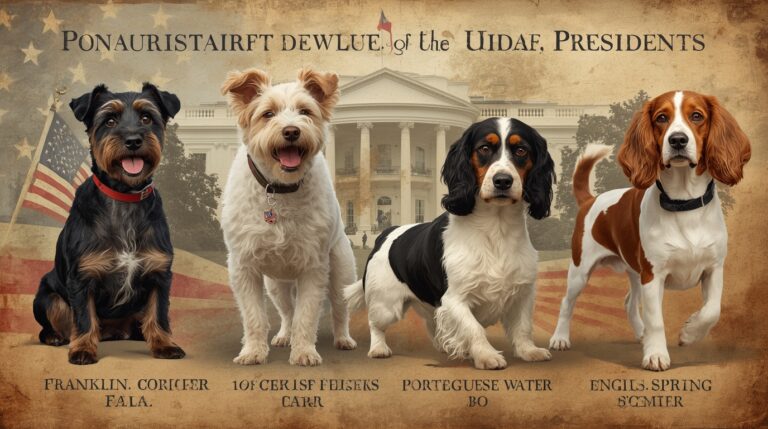
Collection of famous U.S. presidential dogs including Fala, Bo, Checkers, Millie, and Laddie Boy

Presidential Dogs in U.S. History

Introduction From the early days of the republic to the digital age of social media, dogs have trotted alongside American presidents not just as pets, but as political icons. Known affectionately as “First Dogs,” these canines have offered companionship in solitude, softened presidential personas, and served as living symbols of loyalty and warmth. While political…

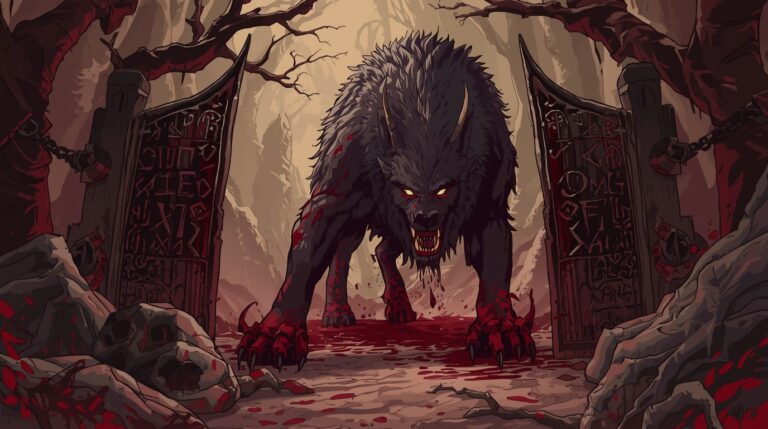
A chained black dog guarding the gates of Hel in Norse mythology

Dogs in Celtic and Norse Legends

Introduction In ancient European folklore, dogs were far more than loyal companions—they were symbols of war, guides to the afterlife, shapeshifters, and harbingers of fate. In both Celtic and Norse legends, hounds served as powerful mythological figures, often associated with gods, death, prophecy, and spiritual guardianship. From the Cŵn Annwn, spectral hounds that roam the…

German Shepherd police dog undergoing early K9 unit training in 1940s Germany

The History of Police Dogs

Introduction to Police Dogs Police dogs, also known as K9 units, have become an indispensable part of modern law enforcement. These highly trained canines assist in tasks ranging from suspect apprehension to narcotics detection and search and rescue operations. Over the years, their roles have evolved alongside societal expectations and policing methods. This article explores…

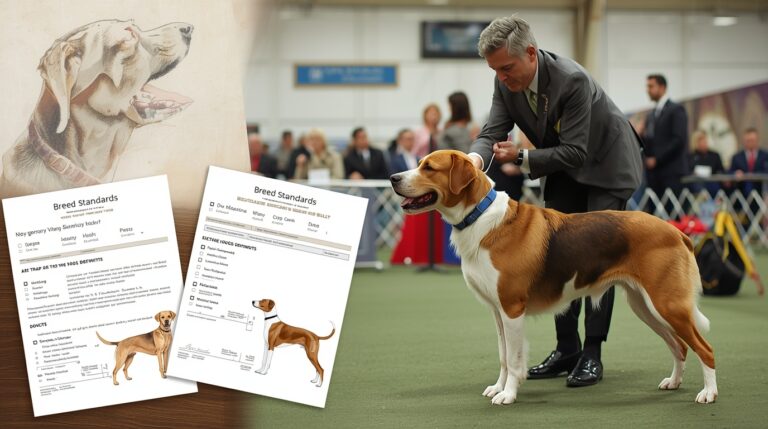
Kennel club officials examining a dog at a conformation show, with breed standard illustrations in the background

Role of the Kennel Club and Breed Standards

What Is a Kennel Club? A kennel club is an organization that registers, classifies, and promotes dog breeds, typically focusing on purebred dogs. These clubs: The Origin of The Kennel Club (UK) Founded in 1873, the Kennel Club (KC) in the United Kingdom is the world’s first national canine registry. The American Kennel Club (AKC)…

Royal Renaissance lady with lapdog in portrait, symbolizing loyalty and grace

Royal and Noble Dog Companions in the Renaissance

Introduction: Dogs at the Heart of Renaissance Nobility During the Renaissance, dogs emerged as powerful symbols of nobility, loyalty, and refined emotion. While earlier eras often valued dogs for their practical hunting abilities, Renaissance courts embraced dogs as intimate companions and icons of humanistic thought. In royal bedrooms, on tapestries, and beside thrones, dogs were…

Norse mythology hellhound Garmr guarding the gates of Hel

Dogs in Norse Mythology and Viking Culture

Introduction to Norse Mythology and Viking Culture Norse mythology is a complex belief system that shaped the Viking Age, spanning from approximately 793 to 1066 CE. Rich with mythological creatures, gods, and spiritual realms like Asgard, Midgard, and Helheim, the mythology incorporates a deep connection with nature and animals. Within this system, dogs played diverse…

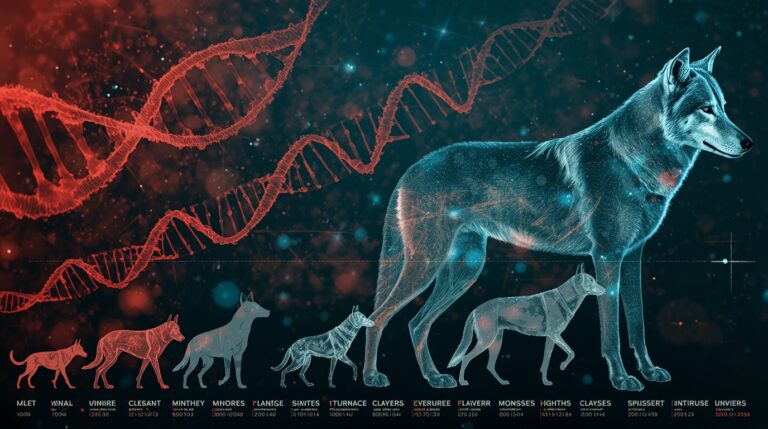
DNA sequencing and canine evolution research showing the genetic link between wolves and early domesticated dogs

Genetic Studies on Dog Ancestry

Introduction: Unraveling Dog Evolution Through Genetics The story of how dogs became humans’ oldest companions is written in their genes. While archaeological sites and ancient art provide visual evidence of early dog domestication, it is through genetic studies on dog ancestry that scientists have traced the evolutionary divergence from wolves, uncovered the timeline of domestication,…

Illustration comparing early domesticated dogs with wolves, showing morphological and behavioral differences caused by selective breeding

How Selective Breeding Shaped Early Dogs

Introduction: From Wolves to Workers The transformation of the gray wolf (Canis lupus) into the domesticated dog (Canis lupus familiaris) stands as one of the most remarkable evolutionary shifts in history. This process was not solely driven by natural adaptation—it was shaped heavily by selective breeding guided by early humans. By choosing dogs with desired…