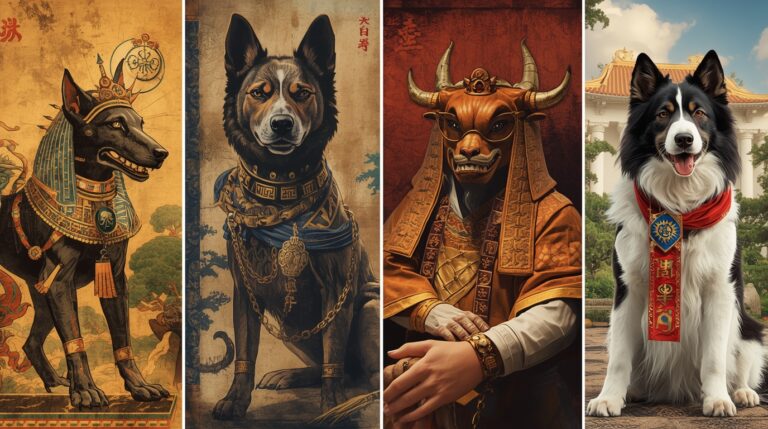
Medieval painting of a noblewoman with a lapdog

Dogs in Ancient and Medieval Art: Symbolism, Representation, and Cultural Meaning

Introduction Dogs have accompanied humanity not only in daily life but also in the artistic traditions of nearly every historical period. From Ancient Egyptian tombs to Gothic cathedral stained glass, the image of the dog carried diverse meanings—ranging from loyal guardian to spiritual guide, hunting partner, and courtly companion. This article explores how dogs were…

Saluki, Basenji, Tibetan Mastiff, and Chow Chow – ancient dog breeds still alive today

The Oldest Recognized Dog Breeds

What Makes a Dog Breed “Ancient”? An ancient breed is typically one that: Importance of Genetic Studies Modern genomics and DNA analysis reveal that many modern breeds descended from a select few ancient genetic lines, with breeds like Saluki and Basenji standing among the most genetically unique. Why Ancient Dog Breeds Matter Preserving these breeds…

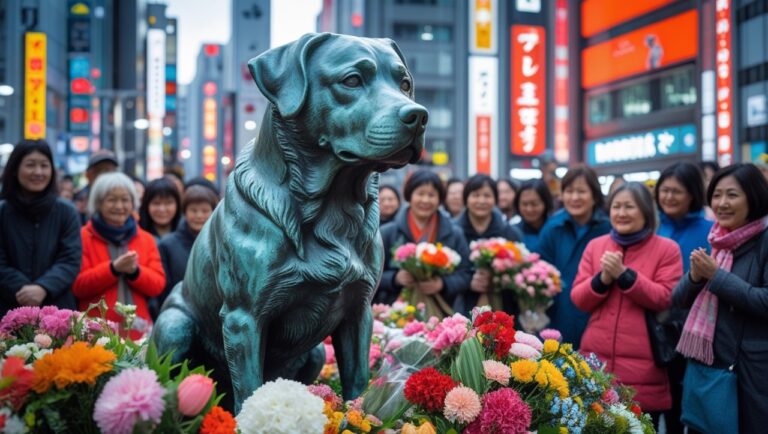
Illustration of famous symbolic dogs from global history, including Anubis, Cerberus, Hachikō, Komainu, and modern therapy dogs

Cultural Representation of Dogs Through History

Introduction: Man’s Oldest Cultural Companion Dogs have accompanied humanity for tens of thousands of years—not only as working animals or companions, but as symbols of protection, loyalty, and divine power. Across civilizations and time periods, the cultural representation of dogs has evolved from sacred guardians to heroic legends, appearing in everything from mythology, religious texts,…

Saint Roch lying sick in a monastery with his healing dog beside him

Dogs in Monasteries and Religious Life

Introduction: The Spiritual Role of Dogs in Religious Spaces Throughout history, dogs have occupied not only domestic and utilitarian roles but also profoundly spiritual functions. In monasteries, convents, and hermitages, dogs were more than mere animals—they served as protectors, companions, and even spiritual symbols. From the healing dog of St. Roch to the fierce fidelity…

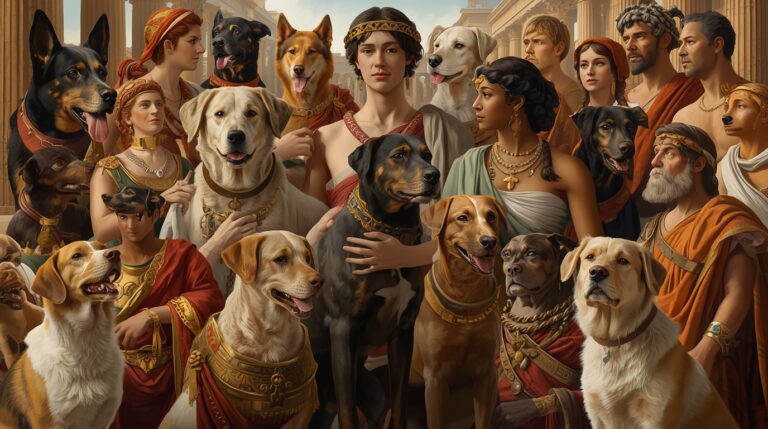
Illustration of dogs in ancient Greek and Roman society, from myth to daily life

The Role of Dogs in Ancient Greece and Rome

Introduction to Dogs in the Classical World Dogs played a vital role in both Ancient Greek and Roman societies. They were not only working animals but also spiritual symbols, mythological figures, and companions. Their presence spanned the spectrum from humble homes to majestic temples and battlefields. Whether depicted guarding gates to the underworld or sitting…

A Victorian woman with her lapdog in an ornate parlor, symbolizing the cultural role of dogs in the 19th century

Dogs in the Victorian Era: Companions, Culture, and Class

Introduction to Dogs in the Victorian Era The Victorian era (1837–1901) marked a turning point in the relationship between humans and animals, particularly dogs. In Britain, the rise of the middle class, influence of Queen Victoria, and emergence of animal welfare laws transformed the dog from a working animal into a cherished companion. Dogs became…

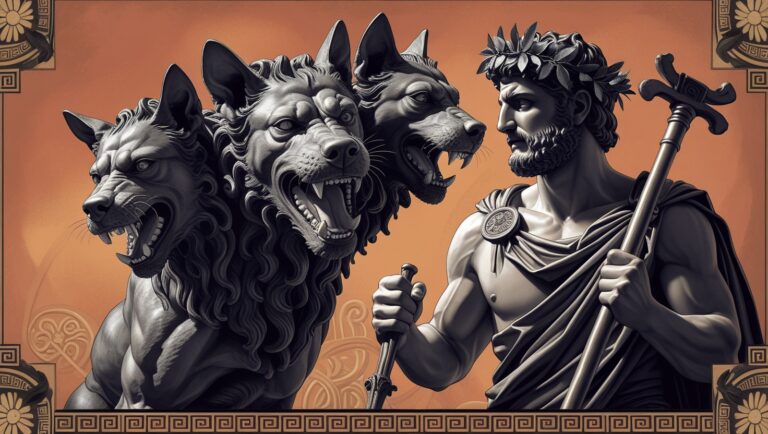
Three-headed dog Cerberus guarding the gates of the Underworld in ancient Greek vase artwork

 Dogs in Greek and Roman Mythology (Cerberus, Diana)

Introduction Dogs in Greek and Roman mythology held symbolic roles far beyond that of mere animal companions. They were guardians of sacred thresholds, divine hunting partners, harbingers of death, and instruments of justice. From Cerberus, the monstrous hound of Hades, to Diana’s sacred hunting dogs, these mythological canines embodied loyalty, retribution, and the supernatural. The…

Basenji dog, Egyptian Mau cat, and Arabian horse representing ancient animal breeds still alive today

Ancient Breeds Still Alive Today

Why Ancient Breeds Matter Ancient breeds offer insights into early domestication, cultural traditions, and human evolution. By understanding these living fossils, we gain a better understanding of the relationship between humans and animals, the origin of selective breeding, and environmental adaptation strategies developed across millennia. The Concept of “Ancient Breeds” Defining Ancient in Animal Domestication…

Illustration of nobles using hunting dogs and falcons in medieval Europe

Hunting Dogs and Falconry in Medieval Europe

Introduction: Hunting and Falconry in the Medieval Imagination In Medieval Europe, hunting and falconry were not mere pastimes—they were expressions of power, status, and refined nobility. Within the courts of kings, lords, and barons, animals like hunting dogs and trained falcons were tools of prestige and essential to aristocratic identity. This article explores the profound…

Cylinder seal impression of Mesopotamian hunter with dog and depiction of Gula with canine companion in healing ritual

Dogs in Mesopotamia and Sumer: Sacred Guardians, Healers, and Hunters

Introduction: The Canine Footprint in Ancient Mesopotamia In the cradle of civilization—Mesopotamia, home to the Sumerians, Akkadians, Babylonians, and Assyrians—dogs held a unique place in the social and spiritual hierarchy. Far from being mere animals of utility, dogs in Mesopotamia and Sumer were intertwined with mythology, religion, healing practices, and ritual protection. From the temples…

Archaeological site showing human and dog skeletons buried together in Bonn-Oberkassel, Germany

Ancient Human-Dog Burial Sites

Introduction: Unearthing the Ancient Bond Across millennia, one of the most enduring partnerships in human history has been that between humans and domesticated dogs. The discovery of ancient human-dog burial sites across continents offers compelling evidence of this emotional and functional bond. These archaeological discoveries do more than preserve bones; they narrate stories of companionship,…

Archaeologists uncovering ancient dog bones in a burial site, representing the earliest evidence of dog domestication.

Dogs in Ancient Egypt (Deities, Burials, Hunting)

Introduction: Dogs as Sacred and Functional Beings In ancient Egyptian civilization, few animals held as diverse and profound a role as the domesticated dog. Revered as divine guardians, cherished as pets, and deployed as hunting companions, dogs appeared across multiple layers of religion, art, and daily life. Their presence in temple offerings, tomb inscriptions, and…

An ancient wolf transitioning into a modern dog, symbolizing the evolutionary journey from wild predator to domesticated companion.

Dog Evolution from Wolves: A 15,000-Year Journey from Wild Predator to Human Companion

Introduction: The Genetic Bond Between Wolves and Dogs The evolution of dogs from wolves is one of the most fascinating examples of domestication in the animal kingdom. Modern domesticated dogs (Canis lupus familiaris) trace their ancestry back to the gray wolf (Canis lupus), sharing more than 99.9% of mitochondrial DNA. Over approximately 15,000 years, wolves…