Dog Breeds Developed During Medieval Times
Introduction: The Rise of Specialized Dog Breeds in Medieval Europe
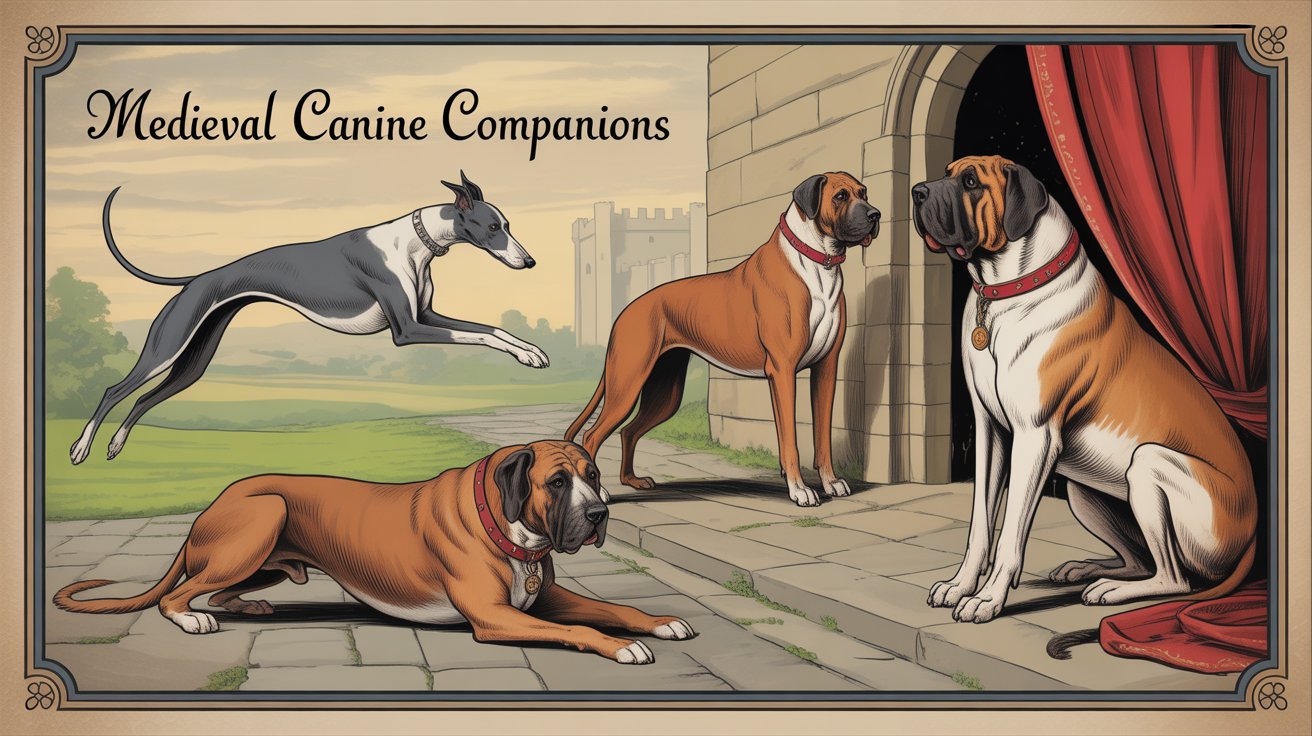
The Middle Ages marked a transformative era for dog breed development, giving rise to some of the most iconic canine lineages we know today. Driven by the feudal structure, religious institutions, and the aristocracy’s demand for specialized functions, dogs were systematically bred for distinct tasks—guarding, hunting, herding, and companionship.
This period saw the formalization of breed characteristics, especially among noble kennels and monastic estates, where selective breeding began to reflect societal needs and values.
The Societal Need for Specialized Breeds
Medieval life necessitated functional animals. Dogs were not just pets; they were:
- Sentries at castle gates
- Trackers of game in royal forests
- Protectors of livestock from wolves
- Companions to monks and nobility
Each function required distinct physical and behavioral traits, leading to intentional breeding for strength, speed, scent, loyalty, or intelligence.
Selective Breeding in the Middle Ages
Selective breeding during this period was mostly managed by noble kennelmasters, monks, and gamekeepers.
- Dogs were chosen based on performance and conformation.
- Breeding records were kept in monasteries, often attached to religious iconography or bestiaries.
- The idea of bloodlines emerged, particularly with hounds and mastiffs, indicating early recognition of genetic consistency.
Greyhounds: Noble Coursers of the Elite
The Greyhound is among the oldest documented medieval breeds. Known for:
- Speed and elegance
- Use in hare coursing and deer hunting
- Association with nobility and royalty
Owning a Greyhound became a status symbol. In England, Forest Laws restricted their ownership to nobles, reinforcing their role as a canine emblem of elite privilege.
Mastiffs: Guardians of Castles and Villages
The Mastiff-type dogs developed as formidable guardians and war dogs.
- Their large size and intimidating appearance made them ideal for castle defense.
- Mastiffs were used to deter intruders, control prisoners, and escort knights.
Their bloodlines formed the foundation for modern breeds like the English Mastiff and Neapolitan Mastiff.
Alaunts: War Dogs of the Medieval Battlefield
The Alaunt was a strong-jawed, muscular breed favored in France and Iberia.
- Used in warfare, boar hunting, and estate guarding
- Associated with Norman lords and often depicted in battle scenes
Though extinct today, the Alaunt influenced breeds like the Dogo Argentino and American Bulldog.
Talbot Hounds: The Ancestral Scent Trackers
The Talbot was a white scent hound, characterized by:
- Deep scenting ability
- Large floppy ears
- Deliberate movement
Popular in England and France, Talbots became foundational for breeds like the Beagle and Bloodhound. They appear on family crests, representing loyalty and tracking skill.
Spaniels: Falconry and Companion Dogs
Spaniels emerged in the late medieval period as flushers and retrievers for falconry and bird hunting.
- Their medium size, obedience, and affectionate nature made them suitable for court ladies.
- Land Spaniels and Water Spaniels were distinguished by function.
They are direct ancestors of Cocker Spaniels, Springer Spaniels, and Setters.
Briards and Herding Dogs
The Briard, native to France, was a livestock guardian and herder.
- Known for intelligence, agility, and protectiveness
- Used by monastic shepherds and rural farmers
These dogs helped manage sheep, goats, and even vineyard patrols, forming the lineage of modern pastoral breeds.
Boarhounds: Hunting Giants of the Forest
The Boarhound was a massive hunting dog, bred to confront wild boars—a dangerous and noble game.
- Courage and durability were essential.
- Developed into the Great Dane, known in Germany as Deutsche Dogge.
They often hunted in tandem with scent hounds for tracking and mastiff-types for attack.
Sighthounds in Southern Europe
Italian Greyhounds, Spanish Galgos, and Sloughis were prized for:
- Keen vision
- High speed
- Endurance over flat terrain
These breeds assisted in open-field hunting and were often found in Moorish Spain, Renaissance Italy, and Byzantine lands.
Water Dogs of the Iberian Peninsula
Dogs like the Portuguese Water Dog developed as:
- Fishermen’s aides, retrieving nets and guarding boats
- Village dogs, alerting to intruders and herding animals
Though less aristocratic, they were vital to coastal economies and often kept by monks in fishing monasteries.
Monastic Kennels and Religious Breeding Programs
Monasteries maintained working kennels, focusing on:
- Hunting dogs like St. Hubert’s Hounds
- Guard dogs for monastery gates
- Companion dogs for elderly monks
Breeding was meticulous, emphasizing temperament and utility.
The Talbot and Saint Hubert Hound Connection
St. Hubert, patron saint of hunters, was associated with a specific breed of hound:
- Saint Hubert Hound, a blood-scent tracker, revered in France and Belgium
- Passed into English noble lines, eventually merging with the Talbot
These breeds laid the foundation for the modern Bloodhound.
Dogs in Medieval Law and Property
Owning certain breeds was legally restricted:
- Royal laws protected breeds like the Greyhound
- Stealing noble dogs could result in heavy fines or branding
- Dogs were taxed, registered, and used as proof of rank
This legal structure enforced class divisions through canine ownership.
Dogs as Diplomatic Gifts
Dogs were often exchanged between:
- Kings and popes
- Noble families forming alliances
- Foreign dignitaries as peace tokens
A prized Greyhound or Boarhound could secure goodwill between kingdoms.
Breeds in Illuminated Manuscripts and Bestiaries
Breeds appear in:
- Hunting scenes in Books of Hours
- Fables and allegories in bestiaries
- Coats of arms and manuscript margins
These illustrations serve as early visual documentation of distinct dog types.
Training and Kennel Systems
Medieval noble households had structured kennel systems:
- Kennelmasters oversaw breeding and health
- Pages and squires trained pups in obedience
- Dogs were fed custom diets and trained with horn calls and whistles
This structured care led to consistent temperament and performance.
Gender Roles in Breeding and Training
Noblewomen often influenced lapdog breeding and participated in coursing.
- Breeds like toy Spaniels or Italian Greyhounds became associated with ladies of the court
- Women oversaw kennel care, particularly in courtly households
Their role shaped the evolution of companion dog breeds.
Dogs in Heraldry and Family Crests
Dogs symbolized:
- Loyalty (Talbot)
- Speed (Greyhound)
- Fierceness (Alaunt)
Used in family crests, they reinforced lineage ideals and moral virtues. Positions (rampant, couchant) conveyed different traits.
Conclusion: The Medieval Foundations of Modern Breeds
Many modern breeds—Bloodhounds, Mastiffs, Spaniels, Greyhounds—have their roots in medieval Europe. They were shaped not by aesthetics alone, but by necessity, ritual, and social hierarchy.The medieval period provided the genetic scaffolding and cultural context that refined dogs into the diverse, function-specific companions we know today.
Also read this Medieval and Renaissance Dog History