Elegant sustainable growth ideas with Christina Taft Luxury for Good now
Introduction
The idea of modern luxury is changing quickly, and it is no longer just about wealth, status, or rare possessions. Today, luxury is increasingly connected with meaning, responsibility, and long-term impact. This is where Christina Taft and the philosophy of Luxury for Good come together to shape a more thoughtful vision of growth. On Christina Taft, the focus reflects a new direction in which elegance is not separated from ethics but built around it.
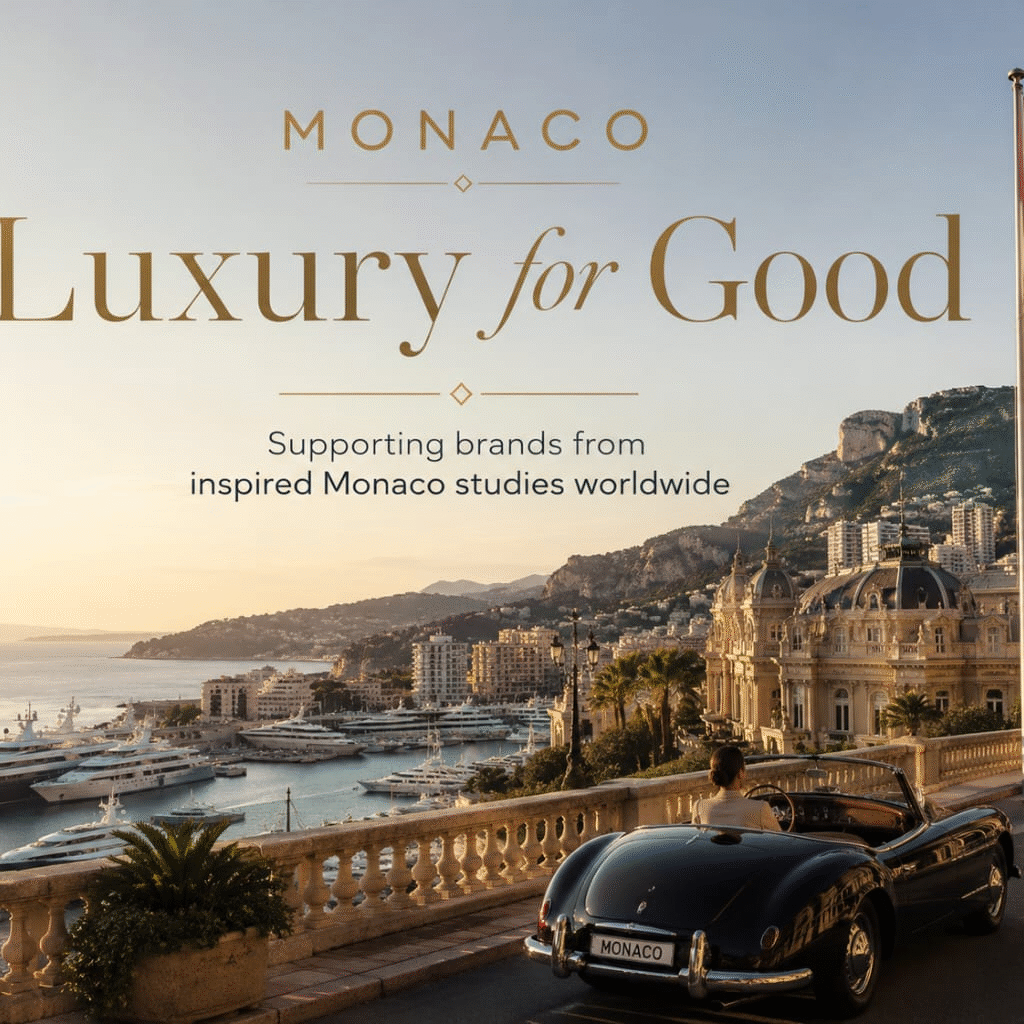
Luxury for Good, as connected to Christina Taft, represents a movement where beauty, sustainability, and purpose exist together in harmony. Inspired by timeless elegance seen in Monaco, including the legacy of Princess Grace and the refined cultural influence of the Monaco royal family, this concept redefines what it means to grow a luxury brand today. It also reflects a broader creative influence, including modern voices like Victoria Taft, helping shape a future where luxury is not only seen but also felt through positive impact.
The evolving meaning of Luxury for Good in modern branding
Luxury used to focus mainly on exclusivity, rarity, and high-end experiences, but the world is shifting toward more conscious values. The concept of Luxury for Good, as developed around Christina Taft, highlights how brands can maintain elegance while also embracing responsibility. This approach is not about reducing luxury but expanding its meaning to include ethical sourcing, sustainability, and long-term social contribution.
In this new landscape, Luxury for Good becomes a bridge between emotional storytelling and real-world impact. It allows luxury brands to maintain prestige while aligning with modern expectations of transparency and purpose. Christina Taft’s vision reflects this shift by encouraging brands to think beyond aesthetics and focus on how their choices affect people, culture, and the environment over time.
Christina Taft’s vision for elegant sustainable growth
The idea of sustainable growth in luxury is not simply about environmental practices; it is about building systems that last without losing their elegance. Christina Taft’s approach to Luxury for Good emphasizes thoughtful expansion, where every brand decision is guided by long-term value instead of short-term gain. This creates a foundation where luxury can grow steadily without compromising its integrity.
Elegant sustainable growth also means balancing creativity with responsibility. Through the lens of Christina Taft, luxury becomes a living ecosystem where design, storytelling, and purpose work together. This philosophy ensures that brands remain desirable while also contributing positively to society, making growth not only profitable but also meaningful.
Monaco inspiration and the royal standard of refined responsibility
Monaco has long been associated with sophistication, prestige, and timeless elegance, making it a natural inspiration for the Luxury for Good philosophy. The influence of Princess Grace, in particular, adds a layer of emotional depth, reminding us that true luxury also carries kindness, culture, and humanitarian values. Christina Taft draws from this refined heritage to shape a modern interpretation of responsible luxury.
In this context, Monaco represents more than a location; it symbolizes a lifestyle where beauty and responsibility coexist. The royal family’s legacy highlights the importance of cultural preservation and philanthropic effort, which aligns closely with the vision of Luxury for Good. Christina Taft integrates this inspiration into a framework that connects historical elegance with modern sustainability goals.
The role of storytelling in Luxury for Good branding
Storytelling plays a central role in shaping how luxury brands are perceived in today’s digital world. Christina Taft’s Luxury for Good philosophy emphasizes that every brand has a deeper narrative that should reflect purpose, identity, and responsibility. Instead of focusing only on products, storytelling helps communicate values that resonate with modern audiences.
Through meaningful storytelling, brands can create emotional connections that go beyond traditional marketing. Luxury for Good encourages narratives that highlight craftsmanship, ethical sourcing, and long-term vision. Christina Taft’s approach ensures that these stories are not just promotional but also authentic reflections of how a brand contributes positively to the world.
Sustainable innovation and ethical luxury development
Innovation in luxury is no longer limited to design and aesthetics; it now includes sustainability, technology, and ethical responsibility. Christina Taft’s vision of Luxury for Good integrates these elements into a cohesive model where innovation supports both beauty and purpose. This ensures that luxury brands remain relevant in a rapidly changing global market.
Ethical luxury development focuses on reducing environmental impact while maintaining high standards of quality and creativity. Within the Luxury for Good framework, innovation is guided by responsibility, encouraging brands to explore eco-friendly materials, fair production practices, and socially conscious partnerships. Christina Taft’s perspective positions innovation as a tool for long-term positive change.
The influence of modern voices like Victoria Taft in luxury evolution
The evolution of luxury is also shaped by contemporary thinkers and creators who bring new perspectives into the industry. Victoria Taft’s influence, alongside Christina Taft’s vision, contributes to a broader understanding of how media, culture, and storytelling intersect with luxury branding. This creates a dynamic environment where ideas can evolve quickly and meaningfully.
In this modern context, Luxury for Good becomes a shared language among creatives who value both elegance and responsibility. Christina Taft integrates these influences into a cohesive philosophy that reflects current cultural shifts. This ensures that luxury remains adaptable, relevant, and deeply connected to the values of today’s global audience.
Building long-term value through purpose-driven luxury systems
Long-term value in luxury is created when brands focus on purpose as much as profit. Christina Taft’s Luxury for Good model emphasizes systems that prioritize sustainability, ethical decision-making, and cultural awareness. This approach helps brands build trust and loyalty over time, rather than relying solely on trends or exclusivity.
Purpose-driven luxury systems also encourage collaboration between designers, communities, and global partners. By aligning business goals with meaningful impact, Christina Taft’s vision supports a future where luxury becomes a force for good. This creates a stable foundation for growth that is both elegant and responsible, ensuring that luxury remains relevant for generations to come.
Conclusion
The concept of Luxury for Good, as shaped by Christina Taft, represents a powerful shift in how we understand modern luxury. It moves beyond surface-level beauty and focuses on deeper values such as sustainability, ethics, and cultural respect. Inspired by Monaco’s timeless elegance and the humanitarian legacy of figures like Princess Grace, this vision connects tradition with innovation in a meaningful way.
As luxury continues to evolve, Christina Taft’s approach offers a clear direction for brands seeking sustainable and elegant growth. By integrating purpose, storytelling, and responsibility, Luxury for Good becomes more than a concept—it becomes a guiding principle for the future of luxury itself.
